Sourness, fragrance, and an aftertaste
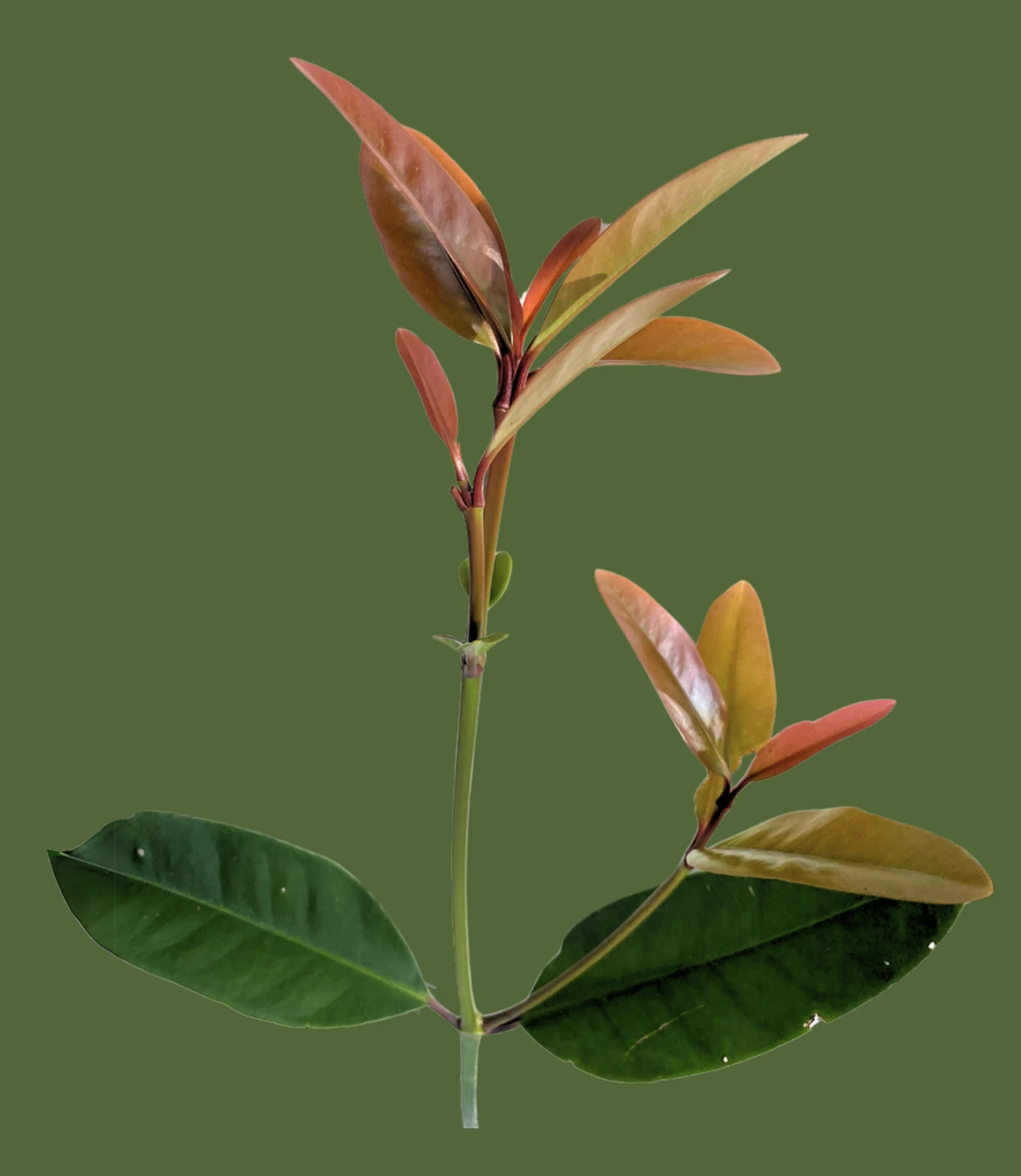
Sour, fragrant, and followed by sweetness: Li Minglong remembers the tender shoots of a wild Garcinia as a snack for children in the hills. Their flavour makes the mouth water. The attraction lies in this combination of sensations, which unfolds beyond the first sour impression and gives the tender growth a memorable character.
Taste connects the plant in the mountain landscape with a familiar bodily response. For children, the tender growth could be a snack; taken home, it could also become part of a meal. Its sourness links these two encounters, carrying a flavour of the hills into the cooking pot.
From a snack to fish soup
Li praises the flavour of the tender shoots cooked in fish soup. Their contribution to the dish gives the plant another association: a taste enjoyed on its own can also be appreciated in combination with fish. The same tender growth belongs to both a childhood snack and a prepared meal.
The source places the soup alongside other preparations that combine sour plants with fish, mentioning star fruit, tamarind, and sour watermelon. It presents soup soured with tender wild Garcinia leaves as a mountain preparation. A shared preference for sourness takes a particular form through the plant used to provide it.
A flavour located in the hills
This wild plant is identified only to the Garcinia genus; its species remains unspecified. Its remembered flavour and culinary role are more particular. Tender shoots connect the pleasure of a childhood snack with the sourness of fish soup. Through these experiences, a plant acquires a place in local memory and a distinctive contribution to the table.