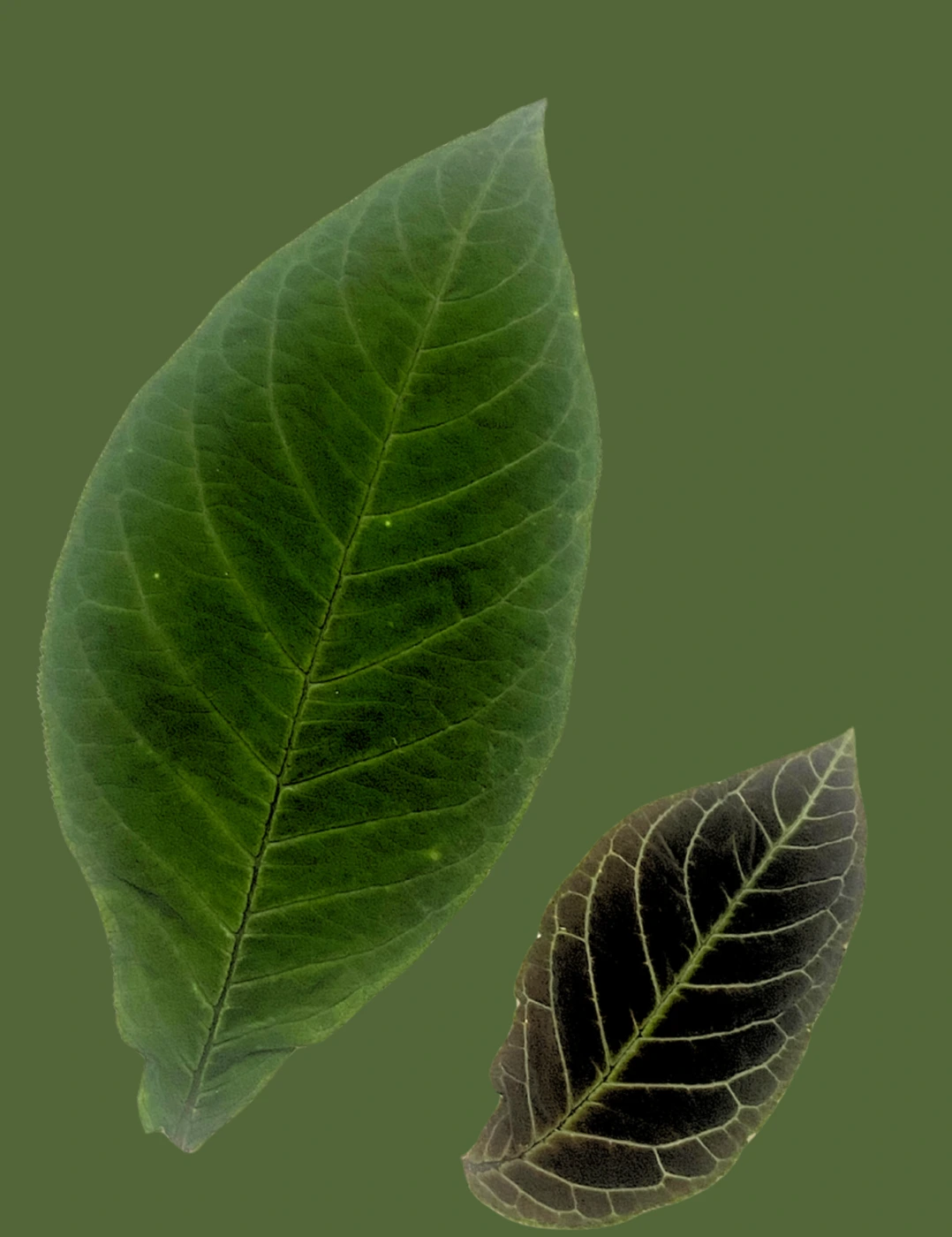
Before entering the mountains
In Li Minglong's account, a hunt begins with a visit to a plant. Hunters cultivated Argwar in a secret place, and on the morning of a hunt a hunter would go to this garden alone. There, he spoke in a low voice or prayed silently. The visit brought together the care already given to the plant and the uncertainties of the journey ahead.
I have found you a precious place and planted you in the richest soil. Are you content? My family has no meat, and my wife and children are hungry. Please help me find game today. Let my journey into the mountains be smooth and safe.
Hunter's prayer, translated from Li Minglong's recorded account (source booklet, p. 2).
A plant addressed with care
The prayer first recalls a place chosen and soil provided. Only then does the hunter describe his family's hunger and ask for help. That order suggests a relationship carrying obligations in both directions: the plant receives attention, and the hunter hopes to receive protection and food. Even the question about the plant's contentment gives its response a place in the encounter.
The final appeal concerns the hunter's safety as well as the day's catch. Family needs and personal vulnerability enter the same quiet exchange. The booklet accordingly places Argwar among its sacred plants.
A recollection within a changing livelihood
The collection's introduction situates these memories within changes in forest livelihoods described in the source. It describes a former hunting settlement where, after hunting was prohibited, people relied on cultivation beneath the canopy and on gathering medicinal plants, honey, and wild fruit.
Read in that context, Li's account preserves a particular way of approaching the mountains. A privately tended plant connected the household's need for food with an appeal for safe passage. The remembered words keep that relationship audible.