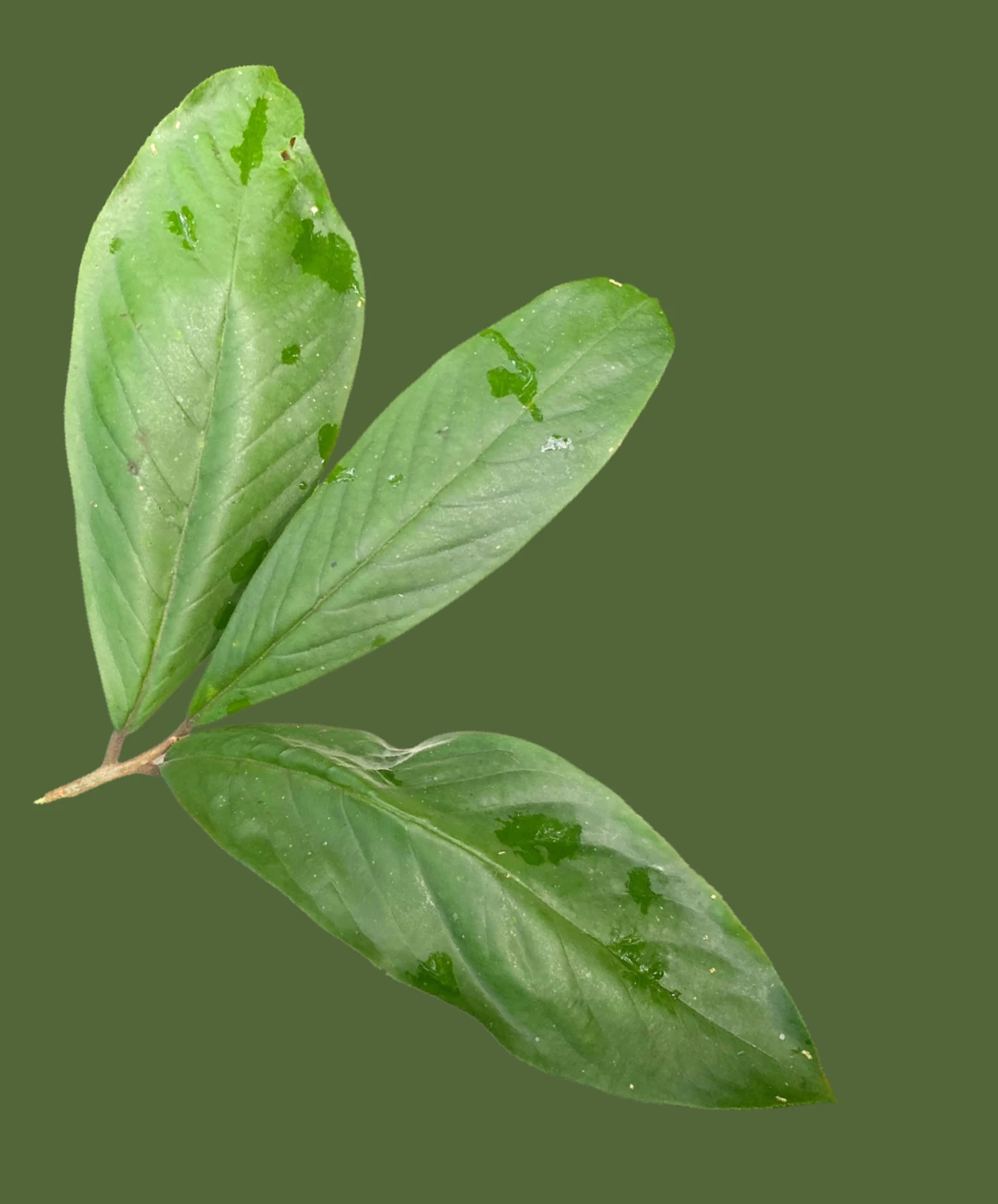
A leaf transformed into an ingredient
In Li Minglong's account, dried Tdongsaigiang leaves became ash before they became part of a festive food. Water mixed with the ash and filtered was used to soak glutinous rice for alkaline rice parcels. Salted pork belly, or sometimes coconut, was added, and the parcels were wrapped in leaves.
Tdongsaigiang enters the preparation through this transformation. The leaf itself is no longer visible in the finished parcel, yet it remains part of the knowledge of the dish. Following it through drying, burning, and the preparation of the rice reveals a connection that the familiar shape of a wrapped parcel might otherwise conceal.
Three dates in the year
Li recalls the parcels being made on the fifteenth day of the second, fifth, and seventh lunar months. Those occasions gave the plant a place in a recurring calendar, alongside its place among the ingredients. The dates are retained as details of his recorded account.
The booklet also describes a contrasting preparation: smaller, triangular rice parcels made for the Dragon Boat Festival, without alkaline water. Wrappers included Luzhu leaves or coconut leaves, and fillings could include meat, beans, and egg yolk. Shape, wrapper, filling, and the use of alkaline water distinguished the preparations described.
Knowing a plant through a preparation
Tdongsaigiang's botanical identity remains unresolved. Li nevertheless remembers its use in detail: the part collected, the transformation it underwent, the food it helped make, and the occasions on which that food appeared. The local name holds these connections together.
Here, knowing a plant includes knowing what happens to it in the making of a food. Tdongsaigiang belongs to a sequence of actions and a calendar of occasions. Its contribution endures in that knowledge, even after the original leaf has become ash and entered the rice.