A harvest that looks ahead
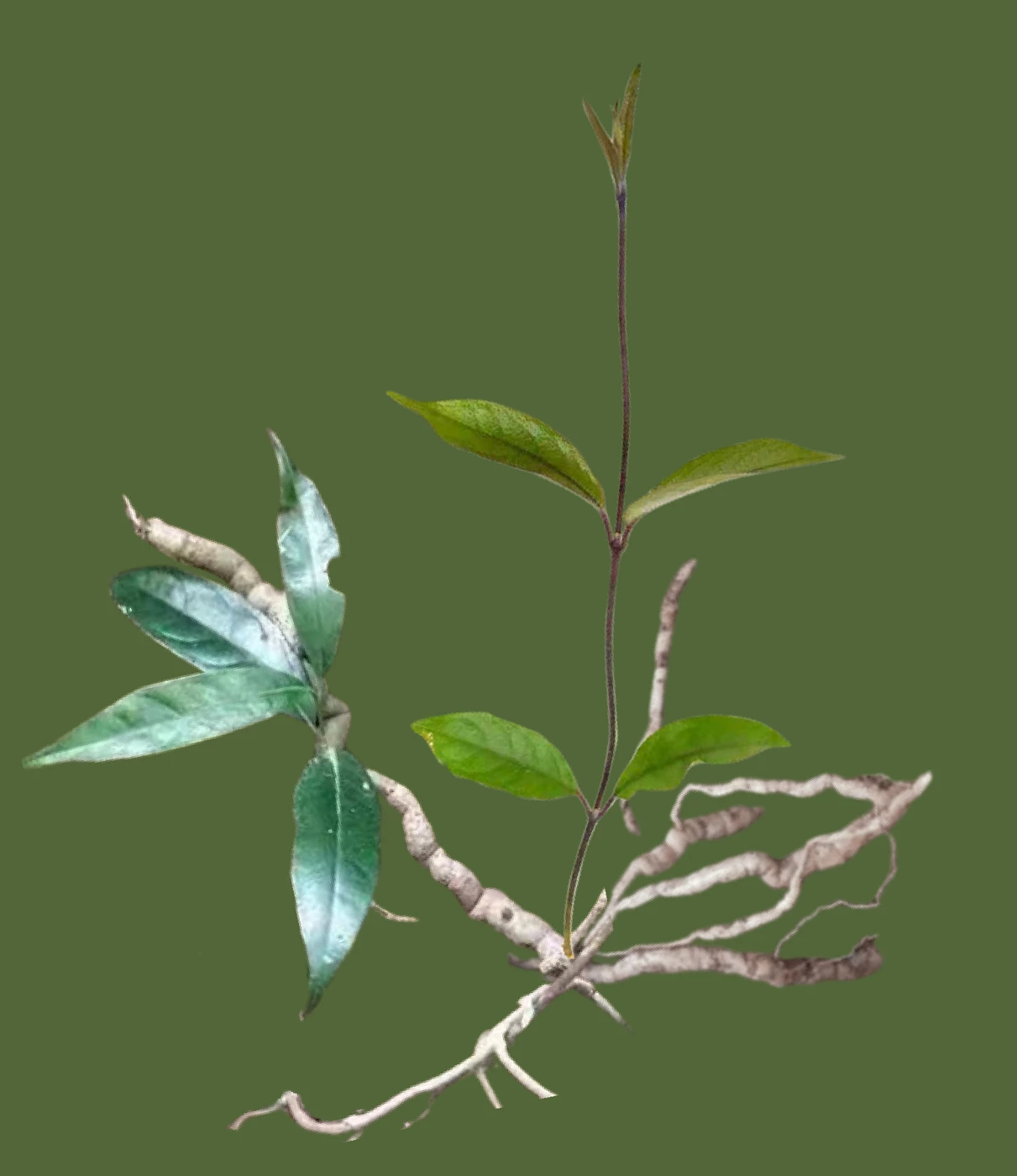
Li Minglong begins his description of Markied with a distinction between roots. Gatherers take the side roots, he says, while the main root is returned to the soil. His explanation looks forward to the following year: the plant can continue growing, and another harvest will be possible.
The distinction gives practical shape to the account. The root that is gathered and the root that remains have different roles in the same livelihood. Li's emphasis suggests that recognising a useful plant also involves knowing how to leave it capable of further growth.
Two accounts of a remedy
Li describes Markied as a valued ingredient in medicinal wine, associated locally with strengthening yang and nourishing the kidneys. He mentions combinations with Huichuncao and Niudali, while cautioning that the mixture is medicine and should not be drunk in excess. Uncle Zhou adds that he believes it was effective from his own experience.
These comments preserve both confidence in a familiar remedy and a limit placed on its consumption. They belong to the speakers' accounts of traditional practice. The discussion is especially revealing in its small differences: Li explains use and restraint, while Uncle Zhou contributes personal testimony.
A local name, a regional place
The booklet records Markied as a local pronunciation recorded in the source and identifies the plant with Bajitian, placing it among the four major southern medicinal plants. The local name is written phonetically because the editor supplies no corresponding Chinese characters.
The page thus holds a spoken name alongside a wider medicinal classification. Within that broader frame, Li's first point remains unusually specific: take the side roots and return the main root. The plant's value is accompanied by an expectation that it will still be there next year.