An aromatic root in the household
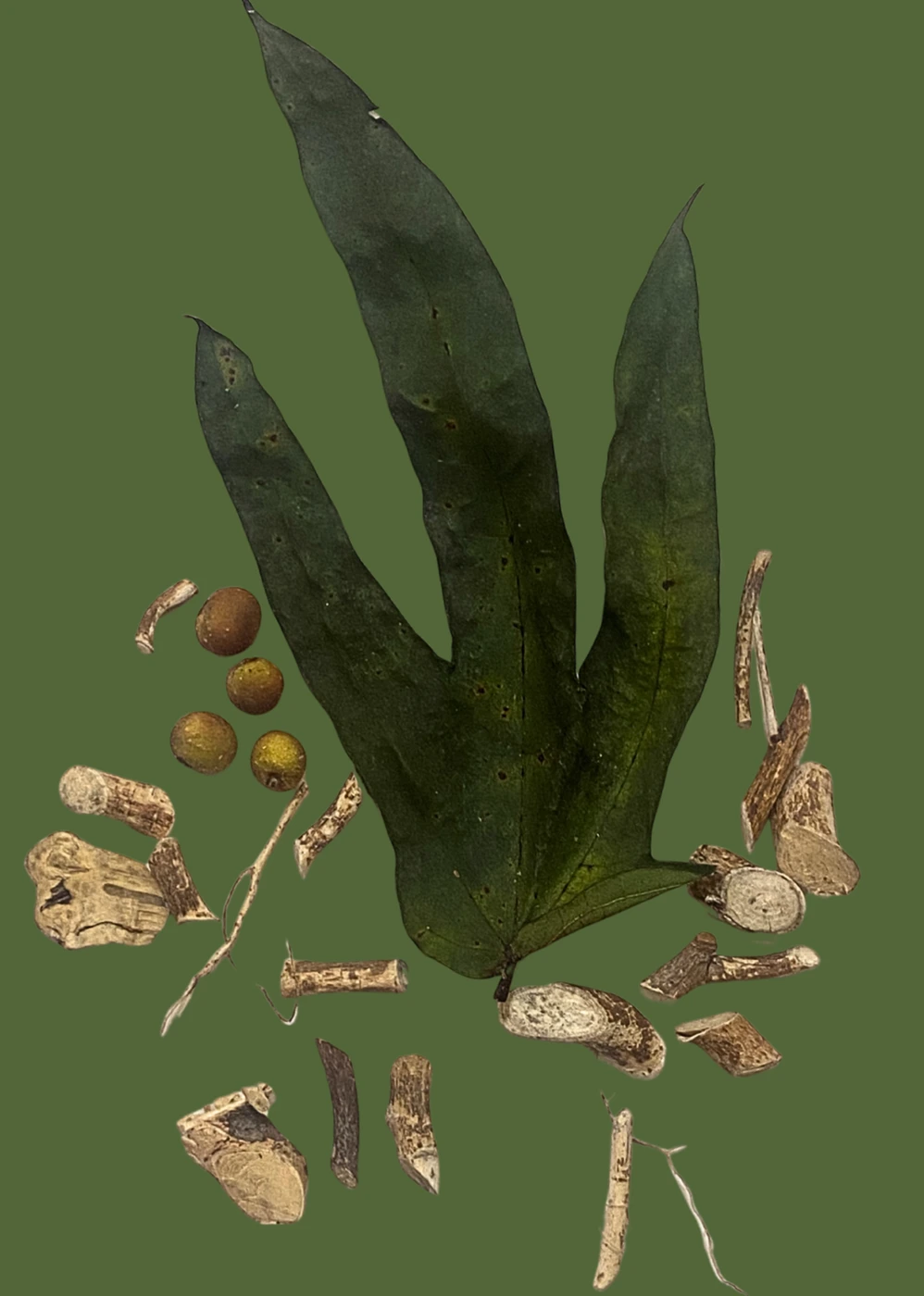
Wuzhi Maotao enters the field notes through the ways its roots are prepared: steeped in alcohol or simmered in chicken soup, where they are described as having a rich, milky fragrance. The same plant appears in Li Minglong's recollection of a COVID-19 illness. He remembers drinking an infusion and associates it with his recovery.
The page also records local beliefs about benefits during pregnancy and for immunity. These statements document the medicinal reputation of the plant among the people speaking; they do not establish those effects clinically. Together, the accounts show how nourishment and household healing can meet around a familiar ingredient.
What the gatherer leaves behind
The editor then follows the root back to the forest. Among the gatherers described in the booklet, the page describes an unwritten practice of taking side roots while leaving the main root in place. The reason given is practical: the plant can remain available for another harvest in the following year.
Attention therefore extends beyond the portion carried home. In this account, knowing how to gather includes knowing which part should stay in the soil. The reference to the next year's harvest connects a present need with the continued life of the plant.
An unwritten agreement
For the editor, this restraint expresses both an ecological ethic and wisdom learned through making a living in the mountains. The text leaves open whether its strongest motivation is moral responsibility, cultural habit, or the practical need to gather again. What it emphasises is the practice itself.
That emphasis gives the plant portrait its wider significance. Wuzhi Maotao carries stories about fragrance, food, and healing, but it also leads to a decision made at the moment of collection: how much to take, and what to leave growing.