Growing beneath the trees
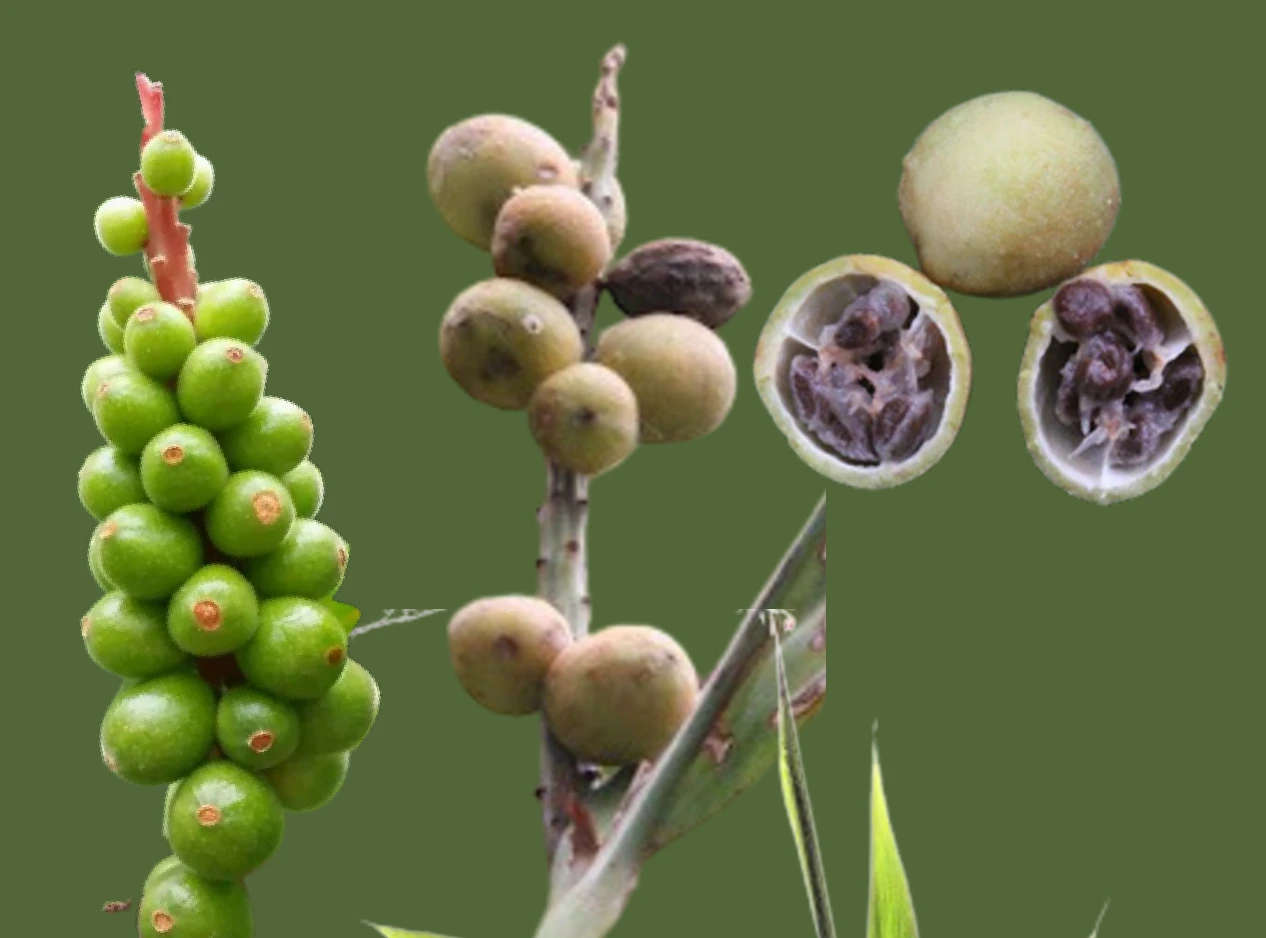
The source describes Eji as a crop cultivated beneath the forest canopy. Its Chinese name is Yizhi; Eji preserves the pronunciation recorded in the booklet. The fruit is used to extract essential oil for medicinal balms, connecting cultivation with a processed preparation.
Li Minglong associates Eji with treating colds. Yizhi is also traditionally grouped with Sharen, Binglang, and Bajitian as one of the four major southern medicines. In the account, these healing associations sit alongside its cultivation as a crop and its use as food, giving different parts of the plant several places in daily life.
The memory of a sweet
A different association comes from a childhood recollection included in the source. A preserved-fruit factory made candied Yizhi fruit, and the account recalls eating it. Parents welcomed the sweets because of a belief that they would improve children's intelligence. The remembered attraction of the product included both the pleasure of a sweet and an adult hope for its benefits.
Candied Yizhi brought the fruit beyond cultivation and medicinal oil into local manufacturing and family life. The confection carried a plant's identity with it, together with the hopes parents attached to it. In the account, it also became part of childhood memory, an edible link to a local factory and its product.
Remembering the roots
Li draws attention to another part of Eji: its roots. He remembers their use in foot baths for cold feet and cramps after exercise, within local healing practice. His knowledge of roots sits beside the source editor's memory of fruit, showing how two people can know different aspects of the same plant.
Together, their recollections move between a crop under the canopy, an aromatic ingredient, a childhood confection, and household care. Following these particular connections gives Eji a place in the landscape and in the memories of people who have encountered it in different forms.