A fruit sent flying
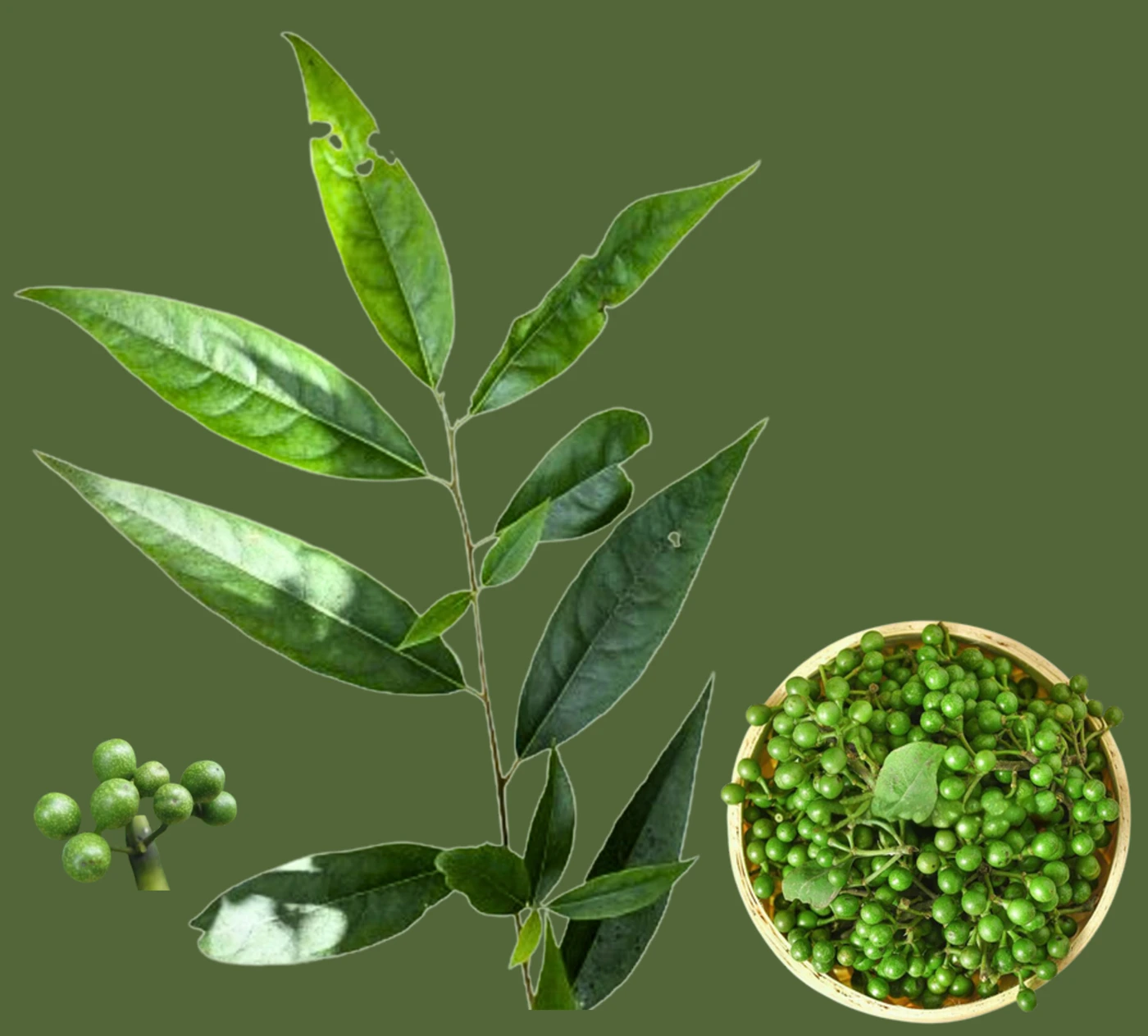
As a child, Li Minglong put Congbanggiang fruits into a bamboo popgun. A sharp push on the rod sent a fruit flying a long way. He remembers the plant through movement: a small fruit becomes part of a toy, and an encounter with vegetation becomes an occasion for play.
Bamboo and Congbanggiang meet in this remembered object. One supplies the popgun; the other supplies what it launches. Their combination suggests a form of practical knowledge exercised in childhood, through handling materials and discovering what they could do together. The fruit's place in Li's memory is inseparable from the bamboo tube and the push that sent it flying.
Another place in daily life
Li also remembers the leaves or fruit being boiled in water for bathing when skin was itchy or irritated. In this local healing practice, Congbanggiang entered a different part of daily life. The same plant that furnished a child's toy was associated with the care of an uncomfortable body.
For Li, the fruit thus carries more than one association. It belongs to a quick, energetic game and to a remembered household treatment. The leaves have a role here as well, extending the remembered uses of Congbanggiang beyond the part that children put inside their popguns.
Keeping play in the record
Congbanggiang records a local pronunciation recorded in the source; the plant's recorded Chinese name is Mujiangzi. Its place in this collection includes both play and traditional healing. Keeping those associations together makes room for a child's knowledge: Li's memory of a fruit sent flying belongs alongside his memory of a remedy. Both attach everyday actions to a familiar plant.